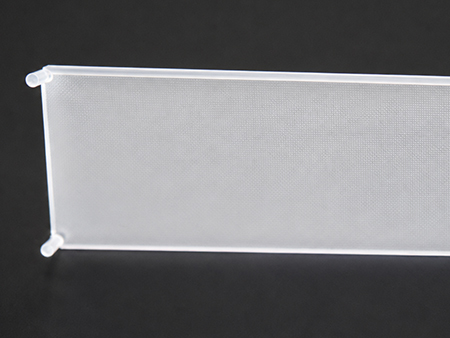
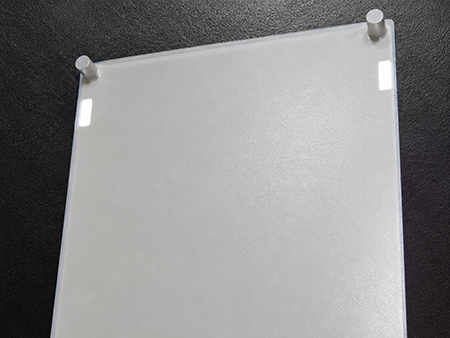
A backlight module (BLM), also known as a backlight unit, is an essential component of a monochrome LCD. Since a liquid crystal display does not emit light by itself, a backlight module is required to provide the light source needed to produce visible display content. A typical monochrome LCD backlight module consists mainly of an LED light source, a light guide plate (LGP) with a light guide dot pattern, a diffuser sheet, and other related components.
The primary function of the light guide plate is to guide the direction of light, improve display brightness, and enhance brightness uniformity. Light guide plates are commonly made of polycarbonate (PC) or optical-grade polymethyl methacrylate (PMMA) and manufactured using an injection molding process. The required light guide dot pattern can be incorporated into a mold insert (stamper), allowing the light guide plate and its dot pattern to be formed in a single injection molding process.
The diffuser sheet helps distribute light more uniformly, while the reflective sheet redirects light traveling toward the bottom back into the light guide plate to improve light utilization efficiency and reduce light leakage. Monochrome LCD backlight modules commonly use an edge-lit backlight structure, in which the light source is positioned along the side of the light guide plate. Light enters through the edge of the light guide plate and is then guided and distributed across the display area.
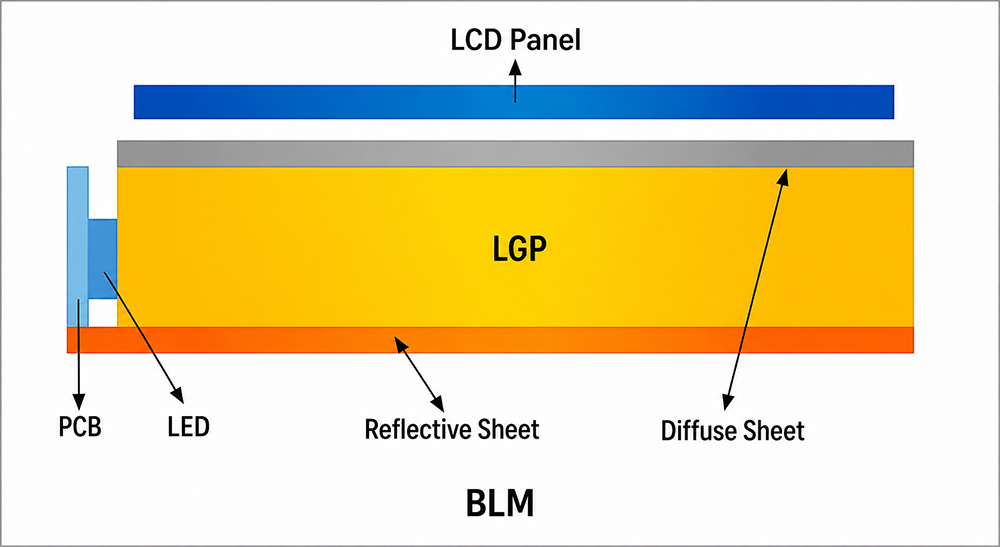
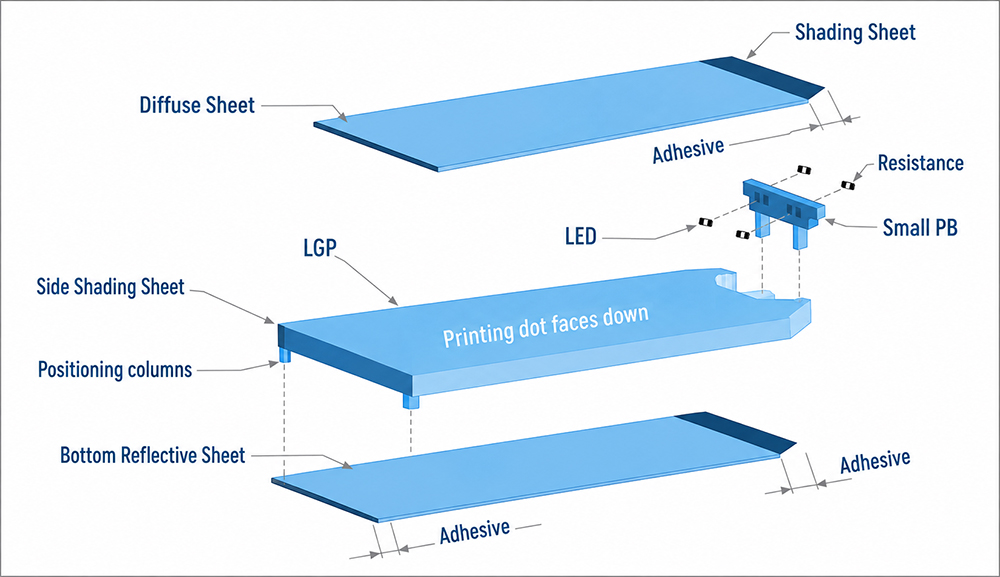
Figure 1: Structure of an Edge-Lit Backlight Module
When designing an edge-lit backlight module, both the mechanical structure and the required display performance need to be considered. Depending on the mechanical design and application requirements, the light guide plate can be manufactured using a single-material, single-mold injection process (Figure 2A) or a double-material, double-mold injection process (Figure 2B).
Backlight Module Structures
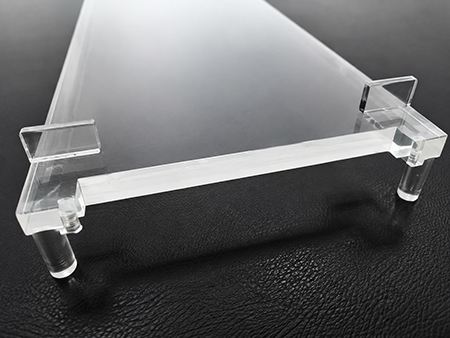
Figure 2A: Single-Material, Single-Mold Injection
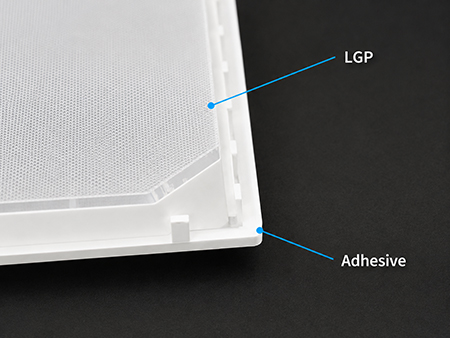
Figure 2B: Double-Material, Double-Mold Injection
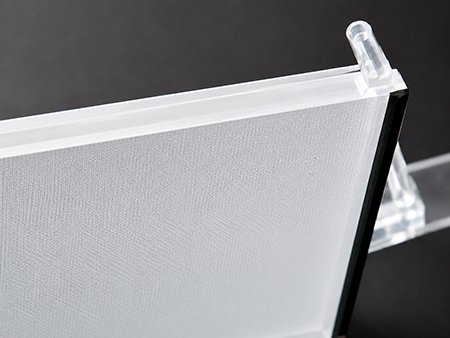
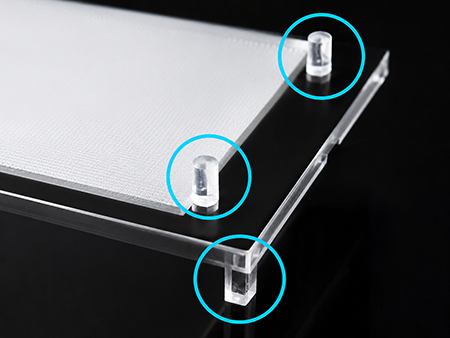
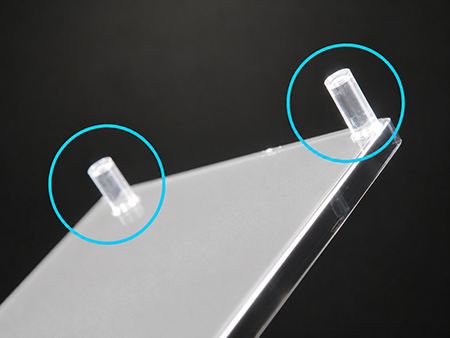
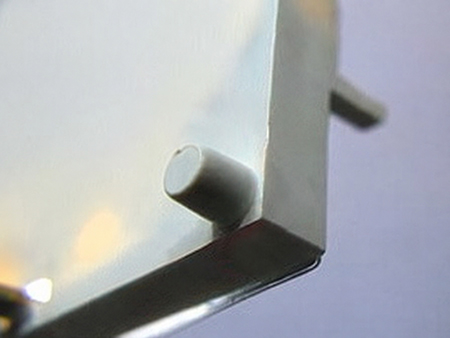
To provide both light-guiding and mechanical positioning functions, a single-material, single-mold injection structure can be used for the light guide plate. Mechanical features such as positioning columns and walls can be integrally molded with the light guide plate and therefore also function as light-guiding structures.
Advantages: Only one mold is required, resulting in lower mold and material costs.
Disadvantages:
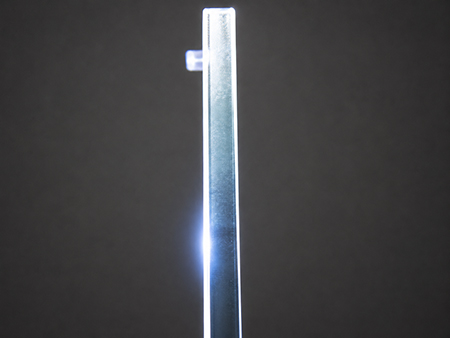
(a) Light leakage may occur outside the LCD viewing area (VA). For example, the walls and positioning columns of the light guide plate may become visibly illuminated.
(b) With the same backlight size, the brightness is slightly lower.
(c) More complex mechanical positioning designs may not be achievable with a single mold.
Recommended applications: Suitable for cost-sensitive applications. The product structure can be designed to shield visible light outside the VA and prevent light leakage from being directly visible to the user.
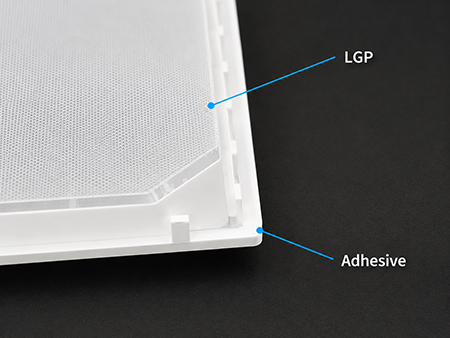
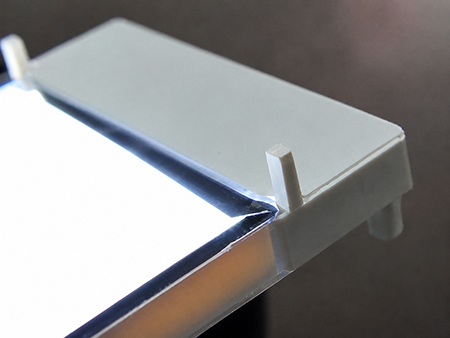
When the design requires reduced light leakage and easier mechanical integration, a double-material, double-mold injection structure can be used, with separate injection molds for the light guide plate and plastic frame.
Advantages:
(a) No visible light appears outside the VA. For example, the walls and positioning columns do not become visibly illuminated.
(b) With the same backlight size, the brightness is slightly higher than that of the single-material, single-mold injection structure.
(c) More complex mechanical positioning designs can be supported.
Disadvantages: Two molds are required, resulting in higher mold and material costs.
Recommended applications: Suitable for applications where visible light outside the VA is not acceptable or where higher backlight brightness is required. The structural differences between single-material, single-mold and double-material, double-mold injection light guide plates are compared below.
Comparison of Single-Material, Single-Mold and Double-Material, Double-Mold Light Guide Plates
Single-material, single-mold injection light guide plate
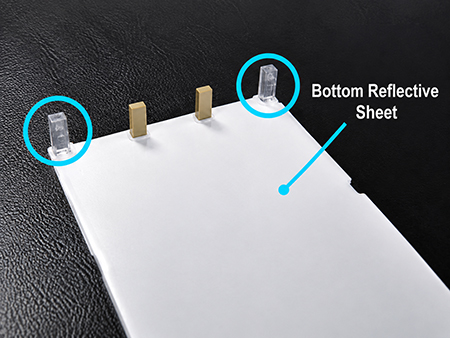
The positioning column is transparent, and a reflective sheet is added to the bottom of the backlight.
Double-material, double-mold injection light guide plate
The positioning column is opaque. Since the plastic frame is opaque, no reflective sheet is required at the bottom of the backlight.
Single-material, single-mold injection light guide plate
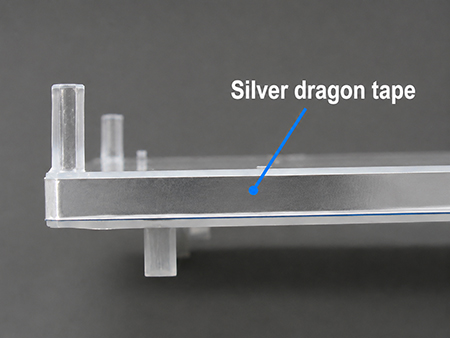
Reflective tape is applied to the sides.
Double-material, double-mold injection light guide plate
No reflective tape is required on the sides.
Single-material, single-mold injection light guide plate
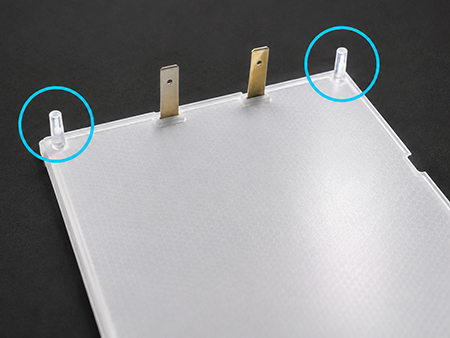
The light guide plate and the positioning columns are integrally molded.
Double-material, double-mold injection light guide plate
The light guide plate and the plastic frame are two separate components.
Single-material, single-mold injection light guide plate
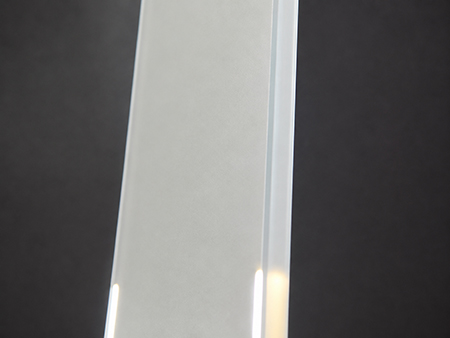
The positioning columns and side walls become visibly illuminated.
Double-material, double-mold injection light guide plate
The positioning columns and side walls do not become visibly illuminated.
Single-material, single-mold injection light guide plate
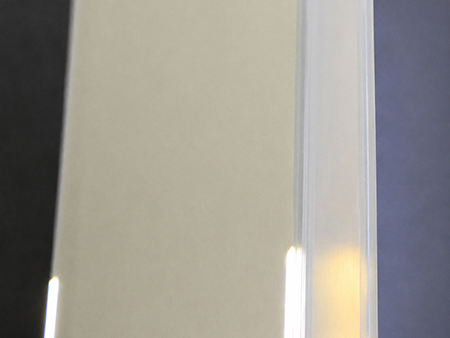
Light leakage may still occur even with reflective tape applied to the sides.
Double-material, double-mold injection light guide plate
No light leakage occurs from the sides.
Single-material, single-mold injection light guide plate
A small amount of light may still pass through the bottom even with a reflective sheet.
Double-material, double-mold injection light guide plate
The plastic frame at the bottom is opaque and prevents light from passing through.
For applications that require reduced light leakage, easier mechanical integration, and LCD protection, a double-material, double-mold injection structure can be used. A four-side wall design can be added to the mechanical frame (as shown in Figure 5). If space is limited, walls can be designed on two sides instead (as shown in Figure 6). The advantages of adding frame walls are as follows:
- Provides protection around the LCD.
- The backlight walls are higher than the LCD surface, preventing direct pressure on the glass after assembly and reducing the risk of glass breakage.
- The backlight and LCD can be easily aligned, improving mechanical positioning accuracy.
- Helps prevent separation between the glass and backlight, as well as displacement between the LCD and backlight, caused by vibration during transportation.
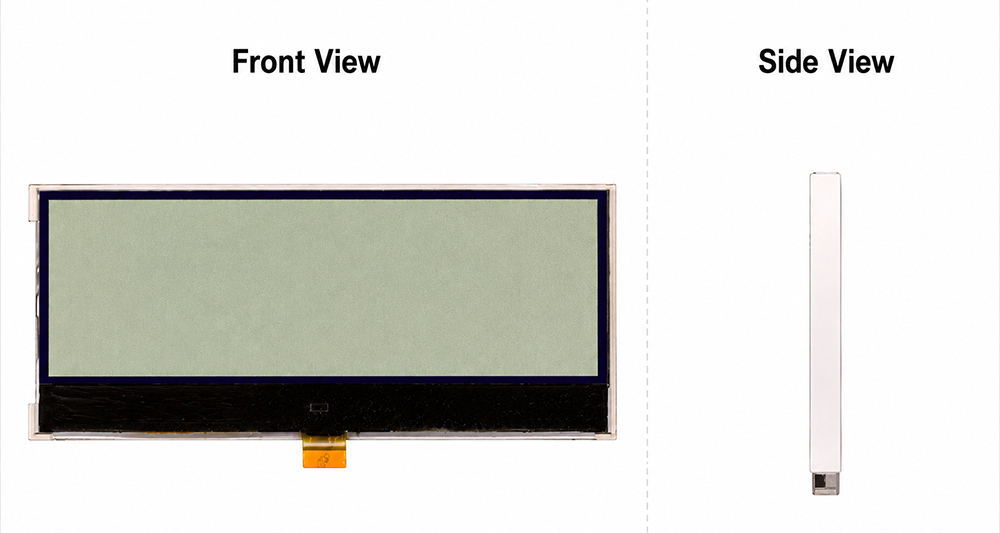
Figure 5: Four-Side Wall Light Guide Plate Design
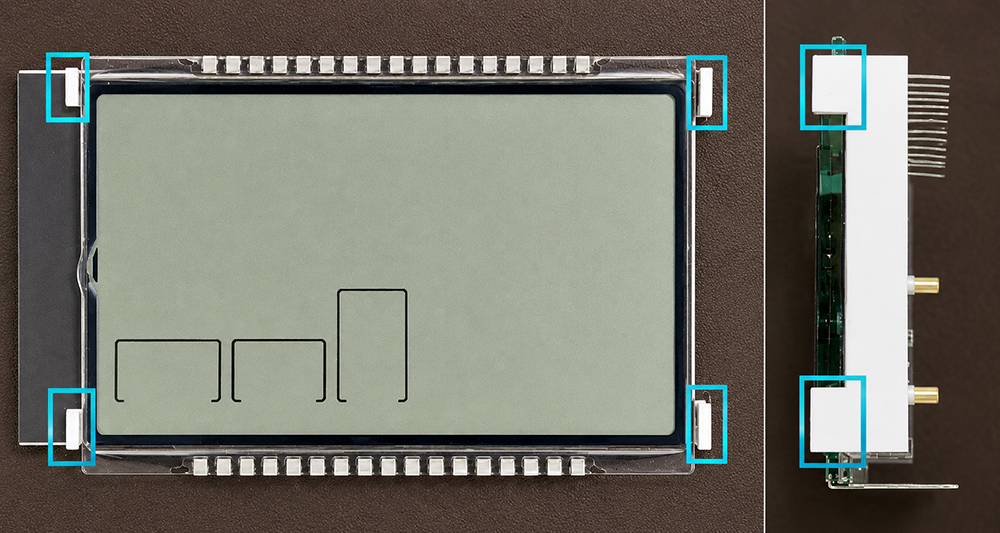
Figure 6: Two-Side Wall Light Guide Plate Design